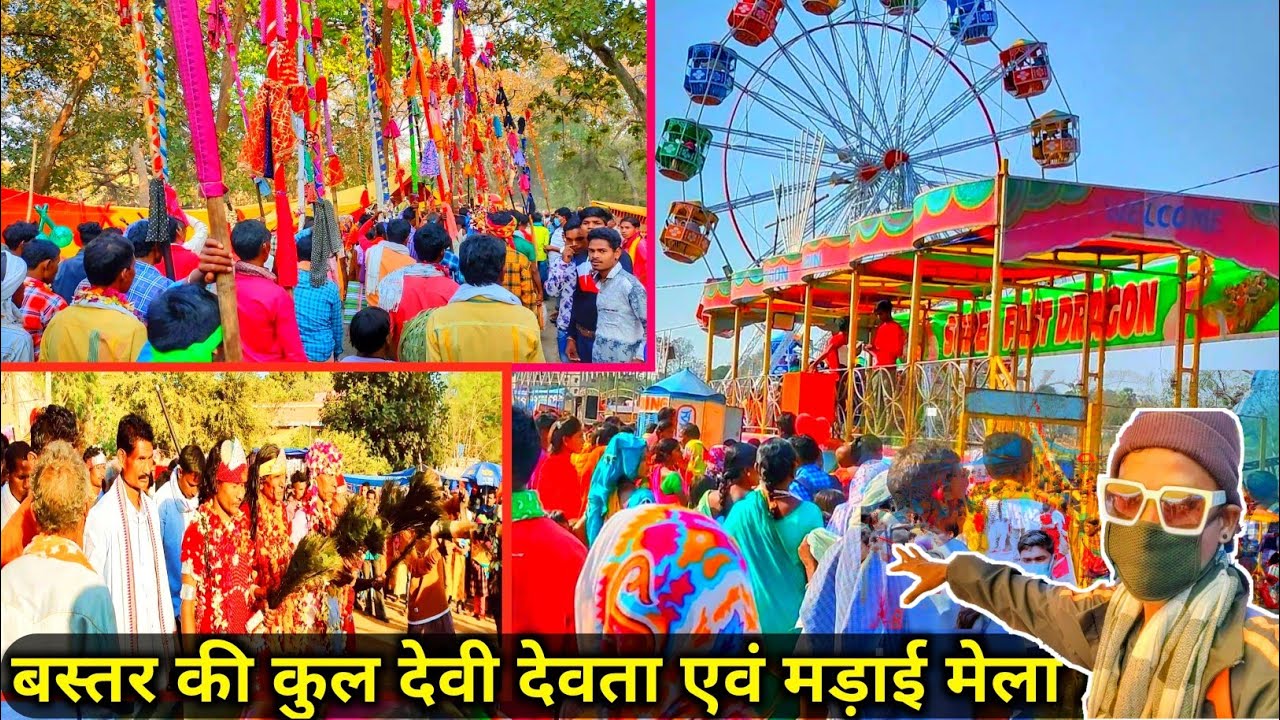
In the Indian tribal economy markets play a very vital role,. These markets can be weekly or bi-weekly. They are known as Bazar, Hat, pathia, Shandy etc. in fact, these markets are only market places but are not true markets.
Sachidananda, Vidyarthi and others have studied the structure and functioning of tribal markets in chota Nagpur, Orissa, Madhya Pradesh and Andhra Pradesh. Each market has a core area and the peripheral area. The peripheral area is a zone where tribals barter their goods. It is a zone of non-exploitation. Here money does not play any role. Rather, goods are exchanged for goods. The goods are local products, cultivates, earthenware and iron tools and a few others, on the other hand, the central zone is the inner zone. It is a zone of barter and trade. The tribals pay money and purchase goods such as daily necessities and some modern goods produced in the nontribal areas or plain areas from the traders who are the non-tribals or caste people. Here, tribals may also exchange their goods for goods. The traders not only under-weigh their goods but quote high prices for their goods. As such this zone is a zone of exploitation. it is a zone of negative reciprocity.
The tribal markets serve not only economic but also social and cultural functions.
- They bring tribals from within a radius of 10 km and facilitate the exchange of local goods and purchase of non-tribal goods.
- They serve as the most powerful channels of communication within a tribal region. Every market attracts the tribal in around the villages of a market. Every tribal makes himself or herself sure to attend the market. So market becomes the best meeting place for the people, local leaders make arrangements of community interests in the market place in order to get them relayed all over the region immediately. Likewise, local administrations, change agents and social workers choose the market places to convey their messages to hold their meetings and plan their programmes
- The tribal market maintains a network of socio-cultural ties among the people of its land and gives them a common base for regional ethnology. Discussion and settlement of disputes of tribal villages and marriage negotiations are done in the tribal markets. It also serves as a centre of redistribution of resources and material goods of occupationally reverse common
- The markets serve as centres of recreation like screening of films, making of record dances and so on , as centres for selling the local liquors, and as centres for obtaining the services of palmists, astrologers etc.
- The tribal markets are fast undergoing certain reversible changes. Till , how the mode of economic transaction in general was barter for native goods and cash for all non-native ones buy these markets are in danger with the involvement of business enterprises. Eg:- Sahukars , Baniyas etc.