What is DNA Technology?
DNA technology is a revolution in biology and is having ever increasing impact on clinical medicine. Earlier genetic diseases could be tracked through pedigree analysis and affected proteins. However no confirmative pathway could be achieved through this technique. Thus a new technology which can directly study the DNA is warranted. Deoxyribonucleic acid (DNA) otherwise the organisms genetic material is inherited from one generation to another generation holds many clues that have unlocked some of the mysteries behind the evolution, disease precipitation, aging and exposure to the environment. Manipulation of genetic material is called as DNA technology. DNA technique makes it possible to take any gene from any species and place this gene in any other organism. DNA
technology has plethora applications in our day to day life. DNA technology will be very much useful in identifying certain genetic diseases such as sickle cell anemia and huntington’s disease. Thus there is an ample possibility that certain genetic diseases can be tracked and treated before its precipitation.
DNA technology facilitated to develop vaccines which trigger the defense mechanism in the body to fight against the pathogens. Further the development of therapeutic hormones like insulin and human growth hormones are the resultant of DNA technology.

Technological advancements lead to a better understanding of DNA leading to the development of new DNA based technologies such as
- Cloning,
- PCR,
- recombinant DNA technology,
- DNA fingerprinting,
- gene therapy,
- DNA microarray technology
- DNA profiling
DNA technologies has brought revolutions in pharmaceutical industry, agriculture, forensic sciences and disease therapies.
Cloning
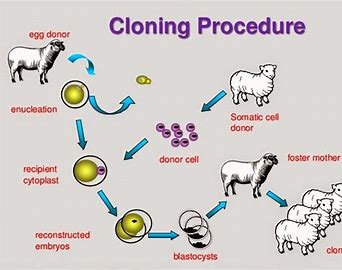
A major component of DNA technology is cloning, which is the process of making multiple, identical copies of a gene by incorporating in an organism like bacteria to use in different applications. This identical or multiple copies of DNA can be characterized or used for various purposes. Cloning gives us pest-resistant plants, vaccines, heart attack treatments and even entirely new organisms.
Polymerase chain reaction (PCR)
Polymerase chain reaction represents one of the most significant discoveries or inventions in DNA technology and it lead to a 1993 Nobel Prize award for American born Kary Mullis. PCR is the amplification of a specific sequence of DNA so that it can be analyzed by scientists. Amplification is important, particularly when it is necessary to analyze a small sequence of DNA in quantities that are large enough to perform other molecular analyses such as DNA sequencing.
Recombinant DNA technology (Genetic engineering)
Not long after PCR technology was developed, Genetic engineering of DNA through recombinant DNA technology came into limelight in parallel with PCR technology. Altering the DNA by using bacterial derived enzymes like restriction endonucleases that act like scissors in cutting the specific site of DNA is called recombinant DNA technology. This DNA sequence can be inserted into another matched DNA sequence. Restriction endonucleases play an important role to identify the variability between two individuals or groups etc. Restriction enzymes that recognize specific DNA sequences can produce fragments of DNA by cutting different parts of a long strand of DNA. If there are differences in the sequence due to inherited variation, restriction enzymes no longer recognize the site, variable patterns can be produced.

Gene Therapy
Recombinant DNA technology also helpful in merging the genes into molecular devices that can transport these genes to various cellular destinations. This technique also called as gene therapy. In this technique corrected genes can be delivered into individuals with defective genes that cause specific disease. Different bacteria can be modified through this technique aimed at breaking the harmful contaminants like DDT by producing specific proteins. Currently efforts are in progress to produce genetically designed plants and crops that can produce substances to kill insects. Plant foods can be engineered to have genes that produce specific proteins which slow the ripening process by increasing their shelf life. Many heart and autoimmune diseases have been treated by using this gene therapy. This technique hopefully tackle the issue of huntington’s disease or cystic fibrosis by replacing the defective genes with healthy ones.
DNA microarray technology
This technology also known as DNA chip, a latest development in nanotechnology is to study the genome in high throughput manner. This technology facilitates gene expression profiling to understand the specific gene up and down regulation. The up and down regulation of gene allows us to estimate
the cancer risk. Because, it has the ability to know the gene expression that is above the baseline level. However it cannot detect the delicate changes in gene expression that causes specific disease.
DNA profiling
Methods that are used to describe DNA profile include restriction fragment length polymorphism (RFLP) and short tandem repeat profiling (STR). In RFLP DNA will be cut into different lengths by restriction enzymes and then the segments are separated based on size through electrophoresis. STR will facilitate many copies of a small section of DNA by using specific enzymes. Genes from one organism can be inserted into another organism to produce nutritional and pharmaceutical products.
For ex. Cow genes have been modified so that it can produce vitamins or insulin in its milk in bulk. Similarly plants genes also modified to produce desired quantity, taste with added nutritional values. This will play a major role in future in increasing the supply of both food and energy needed by the world’s growing human population.
Application of DNA technology
DNA technology has revolutionized biology and is having an ever increasing impact in pharmacology, genetic engineering in disease prevention, in increasing agricultural growth, in detection of disease and crime (forensics) etc. Some fields that have shown remarkable growth due to advances in DNA technology include: forensics, bioinformatics, pharmacology, nanotechnology, archaeology and anthropometry. DNA extracted from archaeological specimens can be used to address anthropological questions. This helps in tracking DNA evolution, migratory patterns and species evolution over the ages. Though the DNA technology is relatively new area of research but it has enormous debate. It will likely continue to be public debate and have its impact on medical diagnostics, therapeutics, forensics and genetic profiling.
In the recent past there has been rapid progress in the human genome project and biotechnologies. These advances result in many complex datasets associated with in depth knowledge, e.g., genome sequences of many species, microarray expression profiles of different cell lines, single nucleotide polymorphisms (SNPs) or mutations in the human genome, etc. Human genome has about 30,000 genes, which, surprisingly, only account for ~3% of the genome. The expression of these genes, i.e., the amount of protein products to be made in a cell, is tightly regulated so as to meet the requirements
of specific cells and for cells to respond to changes in their environment.

DNA technology in medicine
The emergence of the DNA technology has been driven great strides in understanding fundamental life processes and the ability to investigate problems that had previously been unapproachable. The advances made possible by DNA technology have profound implications for the future of medicine for they have placed us at the threshold of new methods of diagnosis, prevention, and treatment of numerous human diseases. Hormones, vaccines, therapeutic agents, and diagnostic tools developed using different DNA technologies are already greatly enhancing medical practice.
DNA technology has attained a commonplace in day to day life, as new products from genetically altered plants, animals and microbes became available for human use. Dolly (Sheep) in 1997 stood in headlines as the first successful cloned large mammal. Thereafter many advances have taken place in medicine towards treatment (ex. Cancers). Now because of cloning, many organs and tissues can cloned. Scientists visioned that, DNA technological applications are one of the new frontiers in science with tremendous growth and discovery potential. DNA technology made it possible to treat different diseases by inserting new genes in place of damaged genes in the body. Thus it has brought many changes in the field of medicine and introduced such methods of treating diseases and drug delivery.
The first two commercially prepared products from recombinant DNA technology are insulin and human growth hormone, both of which are cultured in the Eschericia Coli.
Patients with diabetes fail to produce requisite amount of insulin, facilitating the processing of sugars from food into energy that the body can use. In the past patients use to take insulin obtained from pigs and cows, however, non human insulin often causes allergic reactions in many diabetics. With the advent of recombinant technology, now we could able to produce safe human insulin. In this technique, human insulin gene is isolated and inserted into plasmids, which are transformed to either bacterial or yeast cells, wherein insulin is synthesized on the human code. The purified insulin is identical to human insulin are absolutely safe.
Human growth hormone is a polypeptide hormone. It functions for proper growth, reproduction of the cells and regeneration. It is secreted by somototroph cells preset in the pituitary gland. In recent years, DNA technology has helped to develop many growth hormones. Dwarfism can be effectively tacked with this technique.
Monoclonal antibodies are used to produce vaccines against different viral infections. When body is encountered by foreign object, immune system of the body releases specific protein called as antibody. Hybridoma technique made it possible to produce monoclonal antibodies where lymphocytes or B cells joined with myeloma cells to produce hybridoma. The antibodies released by hybridoma is called monoclonal antibodies, which are used to produce vaccines against several viral infections. Antibiotics are the substances used to fight against bacterial infections and other microbes causes infections in the body. Alexander Fleming discovered penicillin for the first time in 1928 using the recombinant DNA technology.
Similar to insulin technology, edible vaccines to prevent widespread diseases in developing countries could be achieved efficiently through DNA technology. Edible vaccines are cost-effective, easy to manage and store, safe and socio-culturally readily acceptable vaccine delivery system. In this technique desired genes are inserted into plants and then inducing these altered plants to manufacture the encoded proteins whether it is vaccine or other plant substance. Initially it is thought to be useful for preventing infectious diseases only, however its applications has reopened in prevention of autoimmune diseases, birth control, cancer therapy, etc.
Successful expression of foreign genes in plant cells and/or its edible portions has given ways in developing plants expressing more than one antigenic protein. Multi-component vaccines can be obtained by crossing two plant lines harboring different antigens. Adjuvants may also be co-expressed along with the antigen in the same plant. B subunit of Vibrio Cholera toxin (VC-B) tends to associate with copies of itself, forming a doughnut-shaped five-member ring with a hole in the middle (Landridge, 2000). This feature can bring several different antigens to micro fold cells at one time – for example, a trivalent edible vaccine against cholera, ETEC (Enterotoxigenic E. coli ) and rotavirus could successfully elicit significant immune response to all three (Yu and Landridge, 2001). Global alliance for vaccines and immunization deal very high priority to such combination of vaccines for developing countries.
Later several such products to alleviate different conditions were come into existence. For ex. tumor necrosis factor in the treatment of certain cancers; interleukin-2 in cancer treatment, immune deficiency and HIV infections treatment; prourokinase in the treatment of heart attacks; taxol in the treatment of ovarian cancer; and interferon in the treatment of viral infections and certain cancers.
Further, DNA technology allowed development of many tests which are being used to diagnose diseases like tuberculosis and cancers. Similarly other diseases like measles, small pox and hepatitis can be diagnosed by using this application. In the diagnosis process certain pathogens are isolated and identified, and then diagnostic kits are produced when the genome of the specific pathogen is known to eradicate or block its pathogenic activity.
Advantages of DNA technology in Humans
DNA technology has the ability to trace the disease history besides management. Every individual in one day or other are subjected to a condition or diseases. This may be the result of inheritance of certain genes from parents or alteration of phenotypes due to environmental mutagens. These mutations cause several diseases like cystic fibrosis, alzheimer’s, heart diseases and chronic infections. These abnormalities can be reverted by exercising the DNA technology by replacing the bad genes with functional copy of the gene in the correct position. This technology will be helpful to slow down the aging process. By understanding the genetics with the help of genetic engineering, we can develop better pharmaceutical products for human sustenance.
Disadvantages of DNA technology
DNA technology has certain disadvantages also. Basically genetic engineering uses viral vectors to carry functional genes into the body, and the consequences of the viral genes on human body is yet to be elucidated. The location of the functional genes in genome is also not known. Otherwise these functional genes may replace other important genes rather than the mutated genes, which may lead to new complications. The replacement of defective gene with functional gene may lose genetic diversity. Hence this technology has to be carefully applied keeping the advantages and disadvantages.
Second Answer
DNA TECHNOLOGY AND ITS USE IN DISEASE AND MEDICINE
Recombinant DNA (rDNA) technology, also known as genetic engineering, involves artificial modification of the genetic constitution of a living cell by introduction of foreign DNA through experimental technique. The DNA technology has made a significant contribution in the prevention, diagnosis and treatment of diseases. A few of the applications of recombinant DNA are discussed below:
- i) DNA Probes: DNA probes are short segments of DNA that distinguish corresponding sequences in DNA and hence permit recognition of specific DNA sequences. This technique is mainly helpful in diagnosis. DNA probes can hybridize with specific DNA sequences and permit the recognition of specific parasites. Probes resultant by recombinant DNA methods are extensively used in prenatal detection of disease: for example, in detecting genetic disorders like cystic fibrosis, Huntington disease, sickle-cell anemia etc. In a few cases, probes resultant from the gene itself is used and, in extra cases, restriction fragment length polymorphisms genetically associated to the disease gene are engaged. If the disease gene itself, or a region close to it in the chromosome, differs from the normal chromosome in the positions of one or more cleavage sites for restriction enzymes, then these differences can be detected with southern blot i.e. with the use of cloned DNA from the region as the probe. The genotype of the fetus can, therefore, be determined since the restriction fragments present in its DNA. These techniques are very responsive and can be carried out as soon as tissue from the fetus-or still from the placenta – can be obtained. DNA probes have been developed for Leishmania, Trypnosoma, plasmodium, Schistosoma, Wuchereria and some additional human parasites. DNA probes can also be used to recognise viruses which were previously hard to culture.
- ii) Gene Therapy: The hereditary disease in particular can be treated with Gene therapy. Gene Therapy is the insertion of genes into an individual’s cells to treat a disease. Gene therapy normally aims to supplement a faulty mutant allele with a functional one. In the majority gene therapy studies, a normal gene is inserted into the genome to supplement an abnormal disease causing gene. A carrier, called a vector, must be used to deliver the therapeutic gene to the patient’s target cells. Presently, the most widespread vector is a virus that has been genetically changed to carry normal human DNA. The vector unloads its genetic material containing the therapeutic human gene into thetarget cell. The creation of an efficient protein product from the therapeutic gene restores the target cell to a normal state.
- iii) Production of hormones and Proteins: Using DNA technique, the genes responsible for the production of hormones and proteins can be introduced into bacteria by vectors. These genetically changed bacteria produce greater amounts of these substances. The hormones like insulin, human growth hormones, somatostatin, erythropoietin etc. are being produced using this DNA technique. The most important application of genetic engineering is the production of large quantities of particular proteins that are otherwise hard to acquire. Urokinase, are industrially produced today using this DNA technique.
- iv) Production of vaccines: The conventional vaccines are inactivated germs or their antigens. There is always a danger of contamination to use such kind of vaccines. However the synthetic vaccines are produced by separation of pure antigens using mono-clonal antibodies. These are specific antibodies produced by Lymphocytes when they hybridize with the concerned cell. The resulting hybridoma (of Lymphocyte and the cell) can produce antibodies constantly. In diagnosis, therapy and also in prevention such antibodies can be used. Synthetic vaccines can also be produced by transferring genes for certain antigens into bacteria. Bacteria produce antibodies in large quantities which can be used as vaccines. The vaccine for Hepatitis virus is manufactured in this manner.
- v) Diagnosis of Infectious Diseases: Several diseases are diagnosed by conducting definite tests. The diseases like TB and cancer are being diagnosed using Recombinant DNA technology. The other diseases like measles, small pox and hepatitis can also be diagnosed through these tests. In the diagnosis process, certain pathogens are isolated and identified, and then diagnostic kits are produced (when the genome of the specific pathogen is known to kill it or block its pathogenic activity).
- This DNA technique is also used in the diagnosis of AIDS diagnosis, prenatal diagnosis, understanding the molecular basis of diseases like sickle cell anaemia, thalassemia, familial hypercholesterolemia and cystic fibrosis.